Crops
What to grow
A short list on purpose. Each page names a beginner pick, a flavor pick, and a short-season pick — then sends you to a supplier we would actually buy from.

Tomatoes
Start indoors. Match days-to-maturity to the weeks you actually have after last frost.
55–85 days · zones 3a–11a
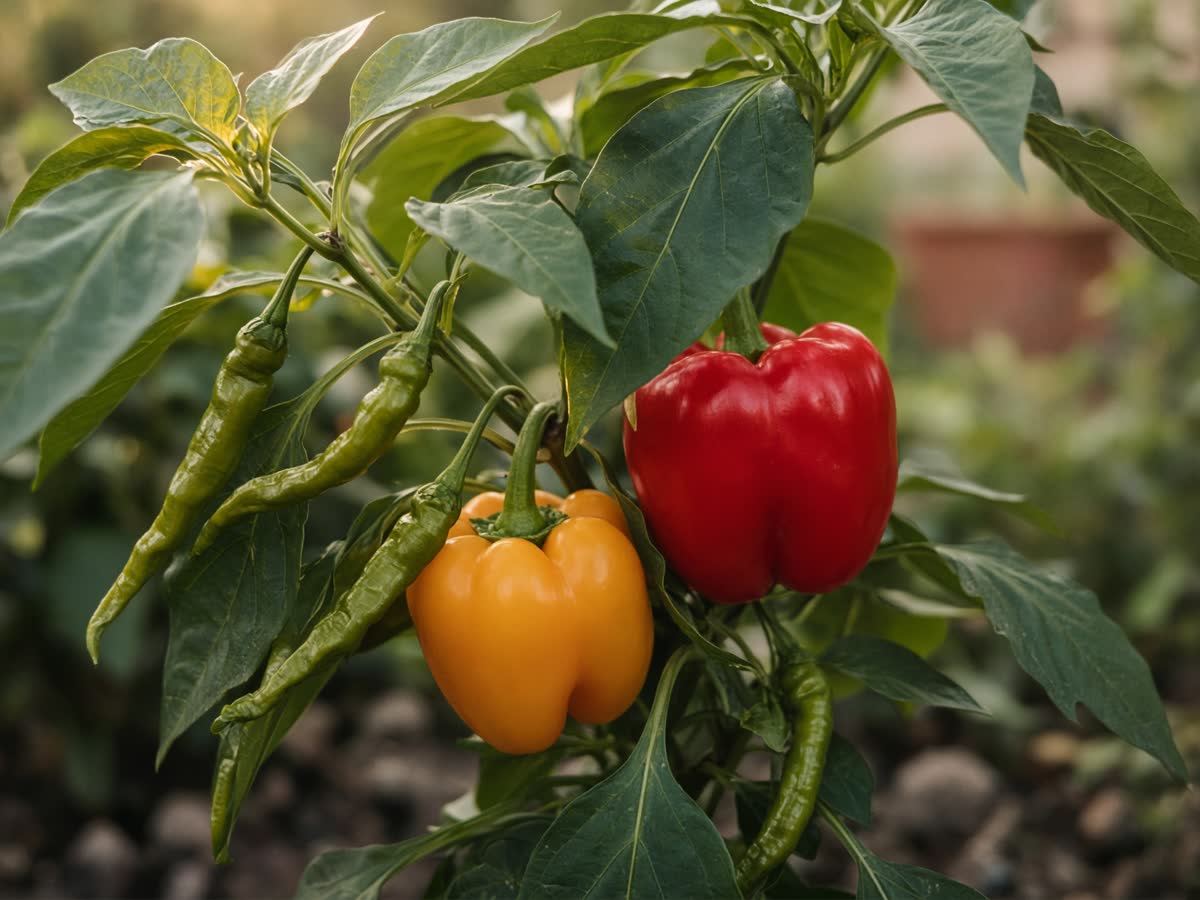
Peppers
Need more heat and a longer indoor start than tomatoes. Short-season varieties matter north of zone 7.
60–85 days · zones 4a–11a

Lettuce
The crop that makes a first garden feel like a garden. Sow in spring and again in late summer.
30–55 days · zones 3a–10b
Basil
Warm-season herb. Wait until nights stay above 50°F, or keep it on a bright sill.
45–70 days · zones 4a–11a
Zucchini
Direct-sow after frost. Two plants is enough. Three plants is a crisis.
48–60 days · zones 3a–11a
Beans
Do not start indoors. Sow in warm soil. Bush types for first gardens; poles if you have a fence.
50–65 days · zones 3a–11a
Kale
Spring and fall. Sweeter after frost. One of the few greens that earns its keep into December in the Midwest.
50–65 days · zones 3a–10a
Spinach
Bolts in heat. Sow the moment the soil can be worked, and again in late summer for fall.
37–50 days · zones 3a–10a
Radish
Twenty-five days. The crop you sow when you need a win, or when the season is almost over.
22–30 days · zones 3a–11a
Carrots
Direct-sow only. Keep the seedbed wet until germination. Loose soil, or you get forks.
55–75 days · zones 3a–10b
Peas
Sow as soon as the ground thaws. Heat ends the crop. A fall sowing only works with enough cool weeks.
55–70 days · zones 3a–9a
Cilantro
Cool-season herb. Sow every three weeks in spring and fall. It will bolt. That is not a failure.
40–55 days · zones 3a–10b
Cucumber
Warm soil. Trellis it. Pick daily or it turns into a seedy club overnight.
50–65 days · zones 4a–11a
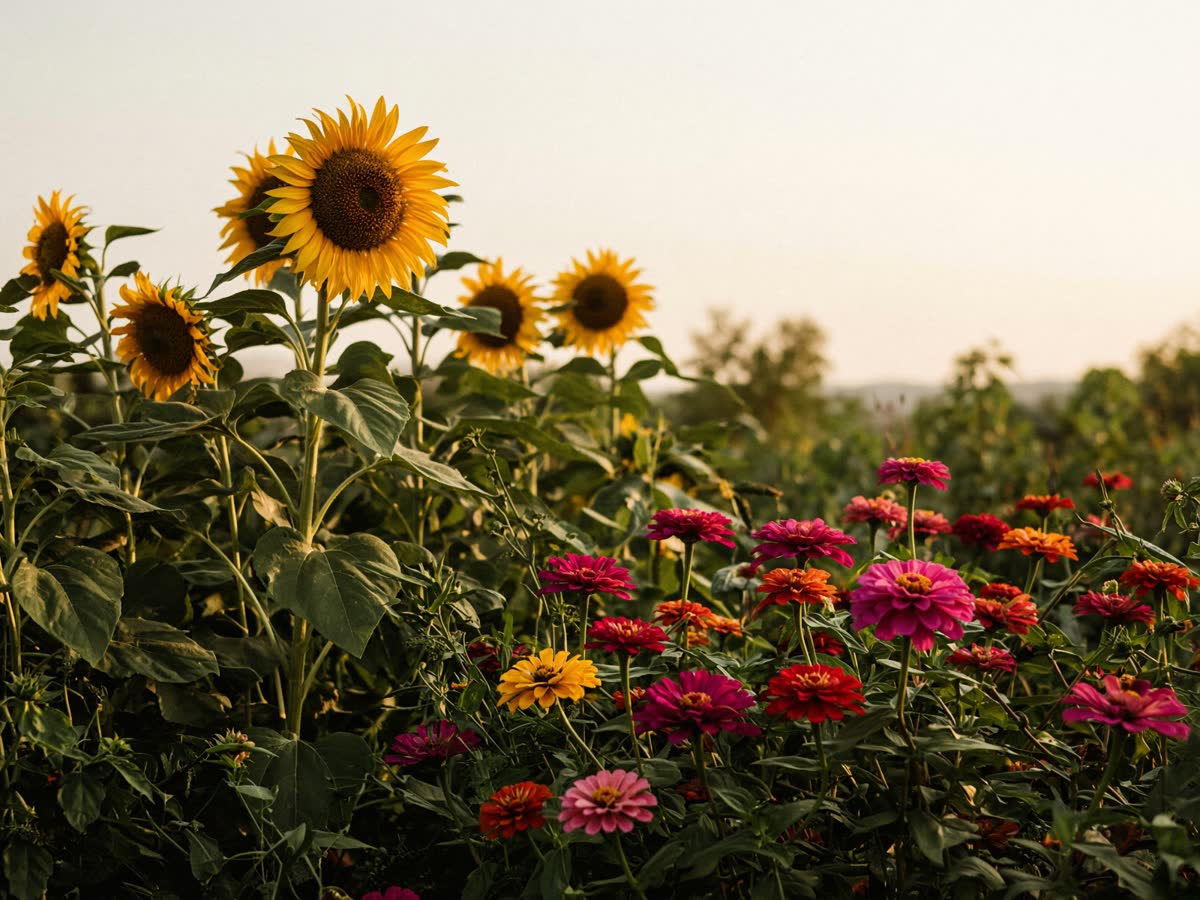
Sunflower
Direct-sow after frost. Mammoth for the fence line, branching types for cutting.
70–90 days · zones 3a–11a
Zinnia
The easiest cut flower from seed. Sow after frost, keep cutting, they keep coming.
60–80 days · zones 3a–11a

Garlic
The October crop. Plant cloves in fall, harvest in early summer. Grocery garlic is often treated — buy seed garlic.
220–270 days · zones 3a–9a
Arugula
Thirty days. The fall and spring green that makes a first bed feel like a kitchen.
28–40 days · zones 3a–10b
Broccoli
A cool finisher. Spring crop if you start indoors; better as a fall crop in the heat of zone 6+.
55–85 days · zones 3a–9b
Swiss chard
The spinach that does not quit in June. Cut stems all summer, then again in fall.
50–60 days · zones 3a–10b
Beets
Greens and roots from one sowing. Direct-sow. Thin like you mean it.
50–65 days · zones 3a–10a
Parsley
Slow to germinate, then it sits there being useful for a year. Soak the seed.
70–90 days · zones 4a–10b
Dill
Direct-sow only. Succession if you pickle. One plant is a bouquet; a row is a season.
40–70 days · zones 3a–10a
Marigold
The companion people actually plant. Direct-sow after frost. Deadhead.
50–70 days · zones 3a–11a
Winter squash
One or two plants. Long season. Cure and they feed you until March.
85–110 days · zones 4a–10b
Onions
Start early or buy plants. Long-day types north of ~36°N, short-day in the South. Bunching onions if you want a win.
90–120 days · zones 3a–10a
Potatoes
Seed potatoes, not grocery tubers. Plant when the soil can be worked. Hill them. Grocery potatoes are often treated.
70–100 days · zones 3a–9a